Kayaking Sian Ka'an: Where the Sky Is Born, One Paddle Stroke at a Time
Exploring the serene lagoons and intricate mangrove channels of the Sian Ka'an Biosphere Reserve by kayak offers an unparalleled, responsible immersion into nature's quiet majesty.
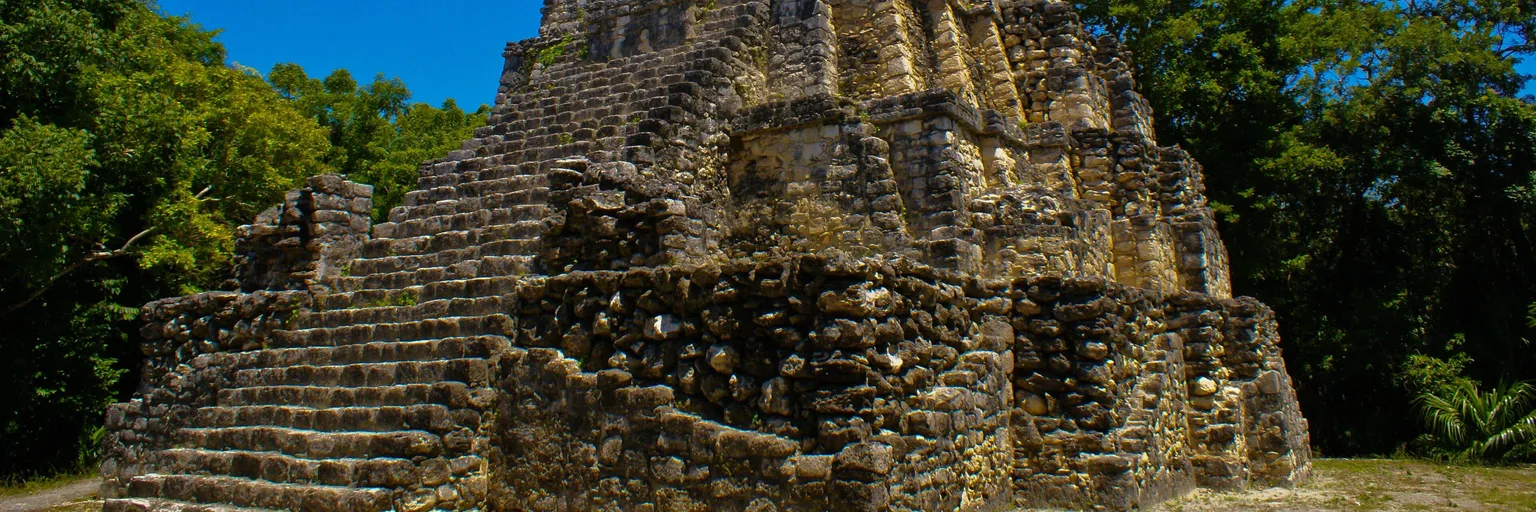
Photo: Ken Thomas / Wikimedia Commons (Public domain)
Is there a more profound way to connect with the Yucatán's wild heart than gliding silently through its ancient waterways, powered only by your own paddle? While many seek the vibrant energy of the Riviera Maya, the Sian Ka'an Biosphere Reserve, a UNESCO World Heritage Site since 1987, calls to those yearning for tranquility and deep natural engagement. Kayaking offers an intimate journey into this protected realm, revealing landscapes and wildlife often missed from larger vessels.
This vast expanse of marsh and savanna, whose name in Maya means 'Origin of the Sky,' embodies a sense of untouched beauty and primeval beginnings. The reserve is a dynamic mosaic of freshwater lagoons, intricate mangrove channels, and a complex network of underground rivers connected to the region's beloved cenotes, forming the second-largest subterranean river system in Yucatán. This diverse environment is a sanctuary for an incredible array of wildlife, making it an essential destination for nature enthusiasts.
The Unrivaled Immersion of Kayaking
Kayaking stands out as a premier way to explore Sian Ka'an because it allows for a low-impact, silent journey, ensuring minimal disturbance to the fragile ecosystem and its inhabitants. Unlike larger vessels, kayaks, often available as singles or doubles, can navigate narrow mangrove mazes and calm lagoons, bringing paddlers closer to the heart of the reserve. Many tours often begin with snorkeling in a cenote, like Yaxché, where visitors can experience the underwater complexity of the mangrove ecosystem before even reaching the reserve's main waterways. Guides often highlight the importance of mangroves in preserving the region's water sources, enriching the experience with valuable ecological insights.
This method of exploration provides unparalleled opportunities for wildlife observation. The reserve is home to approximately 320 bird species, both resident and migratory, including magnificent frigatebirds, roseate spoonbills, various herons, white ibises, and tropical cormorants, often seen roosting in dense colonies. Beyond avian life, the tranquil waters offer glimpses of neotropical felines, marine turtles, tapirs, manatees, and even crocodiles, which are frequently spotted in the shallows. The peaceful nature of kayaking allows for these close encounters, transforming a simple paddle into a living documentary.
Planning Your Responsible Sian Ka'an Journey
For those ready to embark on this adventure, several practicalities ensure a responsible and enjoyable visit. Tour durations vary, from shorter 2.5 to 3-hour paddles focusing on specific areas like Laguna Caapechen and the ancient Maya canals, to more comprehensive 6-hour excursions that often include cenote snorkeling. No prior kayaking experience is generally required, as certified guides teach all necessary skills and provide equipment such as kayaks, paddles, masks, snorkels, and fins.
To make the most of the experience, we recommend choosing sunrise or sunset tours. These times offer cooler temperatures, glass-flat waters, and heightened wildlife activity, creating a truly magical atmosphere. The period between December and April is often considered ideal, with cooler, drier weather and fewer mosquitoes, though tours operate year-round. It is crucial to bring at least one liter of water per person, adequate sun protection like a hat, sunglasses, and a long-sleeved shirt, along with water shoes or sandals, and biodegradable sunscreen. Many tours contribute directly to conservation efforts, reinforcing the idea that every paddle stroke supports the preservation of this extraordinary
Keep reading
No topics yet: start the first one.
More stories
Muyil's Ancient Canals: The Serene Heart of Sian Ka'an's Past
Discover how a journey through the ancient Maya canals of Muyil offers a unique blend of historical immersion, tranquil floating, and vibrant nature observation within the Sian Ka'an Biosphere.