Sian Ka'an's Hidden Connections: Why its Waterways Define the Yucatán's Future
Far from isolated habitats, the Sian Ka'an Biosphere Reserve's finely tuned hydrological network is the invisible architect of coastal health, marine biodiversity, and the very resilience of the Yucatán Peninsula.
What if the most spectacular beauty of a place wasn't just what you could see, but the hidden, intricate dance happening beneath the surface and behind the verdant canopy? In the Sian Ka'an Biosphere Reserve, a designated UNESCO World Heritage site on the eastern coast of the Yucatán Peninsula, the visible wonders — from tropical forests to vast marine expanses — are merely an introduction to a deeper ecological marvel. Spanning an impressive 6,520 square kilometers (1.6 million acres), Sian Ka'an is a complex tapestry where every ecosystem plays a critical, interconnected role, shaping the landscape and sustaining an extraordinary array of life.
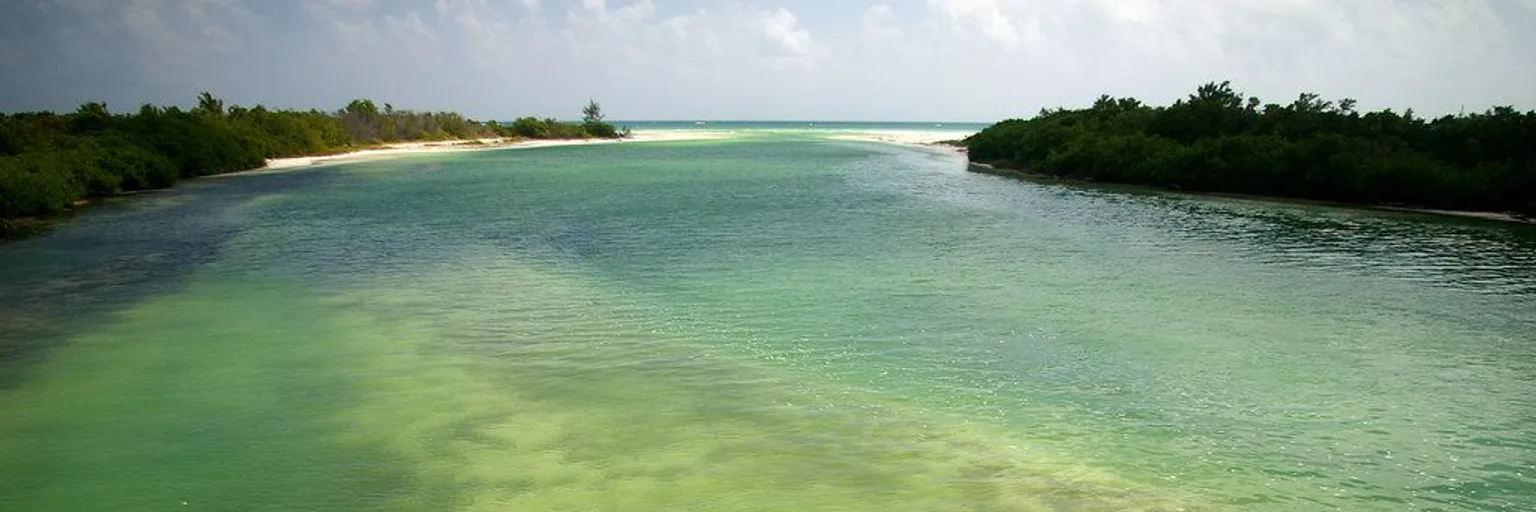
This is no mere collection of distinct habitats; it is one of Central America's largest wetland complexes, a mosaic of barrier reefs, lagoons, bays, dunes, sinkholes, and marshlands. The sheer co-existence of such diverse environments — tropical forests, sandy beaches, mangroves, wetlands, reefs, dunes, and marshes — within its boundaries makes Sian Ka'an truly unique. Understanding how these elements function together reveals why this reserve is a beacon of biodiversity and a vital natural defense for the entire region.
The Invisible Arteries: Cenotes and Groundwater
The lifeblood of Sian Ka'an's terrestrial and wetland ecosystems flows from below: its intricate network of cenotes and underground rivers. While often associated with the inland jungle, these freshwater sinkholes are critical components within the reserve's broader hydrological system, influencing the flow of groundwater that sustains its unique wetlands and mangroves. The presence of cenotes throughout Sian Ka'an is a testament to the Yucatán's distinctive karst geology, where subterranean rivers carve out pathways, connecting diverse areas and profoundly affecting local water dynamics. This groundwater flow is essential for the health of these environments, acting as a crucial, albeit often unseen, artery of the reserve.
Petenes: Islands of Life in the Wetlands
Among the most distinctive features nourished by this hidden water system are the petenes. A peculiar ecosystem within the Yucatán Peninsula's wetlands, these circular islands of dense tree growth rise from the grassy marshes and mangrove forests. Within Sian Ka'an, both types of petenes are found in the zacate (grass) swamps and the dwarf mangroves. These verdant islands are nourished by the underlying hydrological activity, which in the Yucatán often involves freshwater springs or cenotes, creating localized pockets of richer, more diverse vegetation within the extensive wetlands. They serve as crucial refuges for wildlife, offering elevated ground and varied habitats in an otherwise waterlogged landscape. Their very existence is a visible manifestation of the underlying hydrological activity, showcasing how groundwater nourishes these singular ecosystems.
Mangroves: The Resilient Guardians of the Coast
Connecting the freshwater influence of the petenes and wetlands to the marine environment are the resilient mangroves. These remarkable trees, capable of thriving in hot, muddy, and salty conditions where most plants would perish, are recognized globally for the significant ecosystem services they provide. Within Sian Ka'an, the presence of mangroves and marshland forms a critical barrier between the land and the sea. They act as nature's filtration system, intercepting and purifying water flowing from the land before it reaches the coastal lagoons and the Caribbean Sea. This filtering action is vital, preventing sediments and pollutants from impacting the delicate marine ecosystems further offshore. As a result, they play a profound role in maintaining the clarity and health of coastal waters, which is indispensable for the organisms that live there.
The Mesoamerican Reef: A Beneficiary of Inland Health
The health of Sian Ka'an's inland wetlands and mangroves directly impacts the magnificent Mesoamerican Reef, which skirts the reserve's eastern edge. This coral reef system is the second largest barrier reef in the world, with 120 kilometers protected within Sian Ka'an. It is an aquatic wonderland, home to more than eighty known species of coral and a spectacular tapestry of life, including dolphins, marine turtles, and up to 500 species of fish. The filtered waters released by the mangroves and wetlands are crucial for sustaining the reef's delicate corals, which are highly sensitive to sedimentation and pollution. Without the buffer provided by the inland ecosystems, the reef would be far more vulnerable to degradation from terrestrial runoff, jeopardizing its immense biodiversity.
Sustaining Fisheries and Coastal Resilience
This interconnected chain — from the cenotes feeding the petenes, through the filtering mangroves, and out to the vibrant coral reef — underpins the rich fisheries of Sian Ka'an. The still saltwater lagoons, renowned among fly fishers, teem with marine life. Mangrove ecosystems are fundamental habitats for fish, offering nurseries and protective shelter for numerous species, which then populate the lagoons and the open sea. The overall health of this complex system also provides invaluable coastal protection, a known benefit of healthy mangrove ecosystems. These resilient environments are understood to attenuate wave energy and stabilize shorelines, offering crucial buffering against powerful tropical storms and hurricanes in a region frequently exposed to such events.
Sian Ka'an is more than just a beautiful place; it is a living laboratory demonstrating the profound interdependence of land and sea. Protecting this biosphere reserve means safeguarding a natural system that filters our water, protects our coasts, and sustains a wealth of marine life. It is a powerful reminder that our actions on land inevitably echo in the ocean, and that true conservation demands a holistic view of these irreplaceable natural symphonies.
Keep reading
No topics yet: start the first one.
More stories
Sian Ka'an's Future: Balancing Paradise with Pressure
The Sian Ka'an Biosphere Reserve, a UNESCO World Heritage site, faces escalating threats from tourism development and climate change, underscoring the vital role of local communities and responsible visitors in its enduring protection.