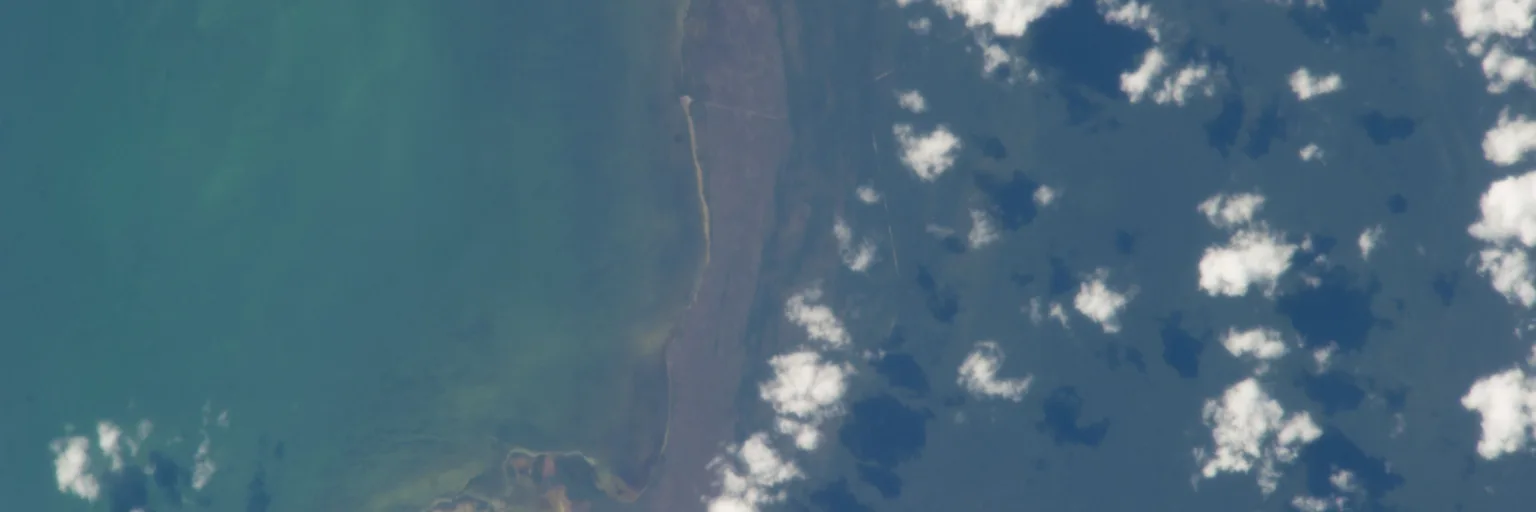
Sian Ka'an's Future: Balancing Paradise with Pressure
The Sian Ka'an Biosphere Reserve, a UNESCO World Heritage site, faces escalating threats from tourism development and climate change, underscoring the vital role of local communities and responsible visitors in its enduring protection.
Photo: Tim Gage / Wikimedia Commons (CC BY-SA 2.0)
When we consider Sian Ka'an, a name that beautifully translates from Yucatec Mayan as 'gate of heaven' or 'a place where heaven begins,' we are compelled to ask: can this earthly paradise truly remain untouched by the relentless pressures of the modern world? This vast protected area, encompassing over 500,000 hectares of diverse ecosystems on the eastern coast of the Yucatán Peninsula, is a jewel of biodiversity and a designated Natural Heritage of Humanity by UNESCO since 1987, yet it stands at a critical juncture where its future hinges on collective action.
Established in 1986 as a biosphere reserve, Sian Ka'an represents one of Mexico's most significant conservation efforts, blending tropical forests, marshes, mangroves, and a substantial barrier reef system. It provides critical habitat for an astonishing array of flora and fauna, including jaguars, American manatees, spider monkeys, and various sea turtle species. Despite its robust international protections and the dedicated work of organizations like CONANP and local partners, Sian Ka'an constantly grapples with external and internal challenges that threaten its delicate balance.
The Looming Shadows: Threats to a Pristine Paradise
The most significant threats to Sian Ka'an stem primarily from anthropogenic pressures, particularly the unchecked expansion of tourism and recreational activities in the surrounding Riviera Maya region. As reported by the IUCN World Heritage Outlook, tourism growth and recreational use in the vicinity are identified as the greatest current dangers. This pressure often manifests as habitat degradation and increased disturbance to wildlife. Beyond the direct impacts of visitors, over-fishing, especially of species like the Caribbean spiny lobster, and agricultural pollution also contribute to the environmental strain, as noted in a Ramsar case study.
Compounding these human-induced challenges are natural phenomena, specifically the region's susceptibility to tropical storms and hurricanes. The Yucatán Peninsula experiences cyclones between June and October, with September being the peak. Historical data indicates that the site has been hit by a hurricane approximately once every eight years, with recent events like Dean in 2007 and Wilma in 2005 causing severe damage to both structures and vegetation within the reserve. While these are natural occurrences, their destructive potential underscores the fragility of the ecosystems and the infrastructure designed to protect them.
More Than a Landscape: The Human Element in Conservation
Protecting Sian Ka'an is not solely about erecting boundaries; it is deeply intertwined with the involvement and empowerment of the local communities, especially the Maya people who have been stewards of this land for centuries. Collaborative conservation projects, engaging scientists, technicians, students, fishermen, farmers, and rural promoters, are crucial for its long-term viability, with more than 200 such initiatives already undertaken within the region, according to Wikipedia. This approach integrates local knowledge with scientific expertise, creating a more resilient and sustainable management model.
Environmental education plays an equally vital role. Organizations such as Amigos de Sian Ka'an focus on informing and raising awareness across Quintana Roo about environmental issues. These efforts extend to providing technical assistance and training to Mayan communities involved in eco-tourism, aiming to empower them as active participants in conservation. Wildlife tourism, when conducted responsibly, can indeed be a powerful tool for conservation, offering tangible economic benefits to local communities while fostering appreciation for protected areas and endangered species, as a Frontiers in Conservation Science article suggests. This synergy between sustainable tourism, community involvement, and conservation is exemplified by Sian Ka'an itself, demonstrating a pathway for wider implementation.
Responsible Exploration: The Visitor's Imperative
Visitors to Sian Ka'an hold a significant responsibility in supporting its conservation efforts. The reserve's entry price of $225 MXN per person per day directly contributes to its upkeep, with discounts available for students, teachers, seniors, and children under 12. However, financial contribution is only one aspect; adherence to strict guidelines is paramount. The rules are clear and designed to minimize human impact: no sunscreen, no campfires, no extraction of flora or fauna, no littering, no fishing, no unauthorized trails, no pets, and no loud sound equipment, as outlined by CONANP.
Choosing authorized tour operators is also essential, as these entities are typically vetted to ensure their practices align with the reserve’s conservation goals. They offer structured experiences, such as boat tours through Maya-built canals, fly fishing in tranquil lagoons, or snorkeling along the Mesoamerican Reef, all designed to minimize disturbance while maximizing appreciation for the natural wonders. By making conscious choices, visitors become active partners in safeguarding this irreplaceable ecosystem.
Sian Ka'an is a testament to nature's enduring power and fragility. Its future success as a protected area relies on a delicate balance: robust management, strong community engagement, effective environmental education, and, critically, the responsible behavior of every visitor. We must all recognize our role in ensuring that this 'gate of heaven' remains open and vibrant for generations to come, truly embodying the spirit of responsible exploration in one of the world's most vital natural treasures.
Keep reading
No topics yet: start the first one.
More stories
Sian Ka'an's Hidden Connections: Why its Waterways Define the Yucatán's Future
Far from isolated habitats, the Sian Ka'an Biosphere Reserve's finely tuned hydrological network is the invisible architect of coastal health, marine biodiversity, and the very resilience of the Yucatán Peninsula.