Sian Ka'an's Hidden Green Riches: More Than Just a Pretty Canopy
Beyond the iconic wildlife, the diverse flora of the Sian Ka'an Biosphere Reserve, from resilient mangroves to ancient forest giants, offers a profound narrative of adaptation, ecological balance, and deep cultural heritage.
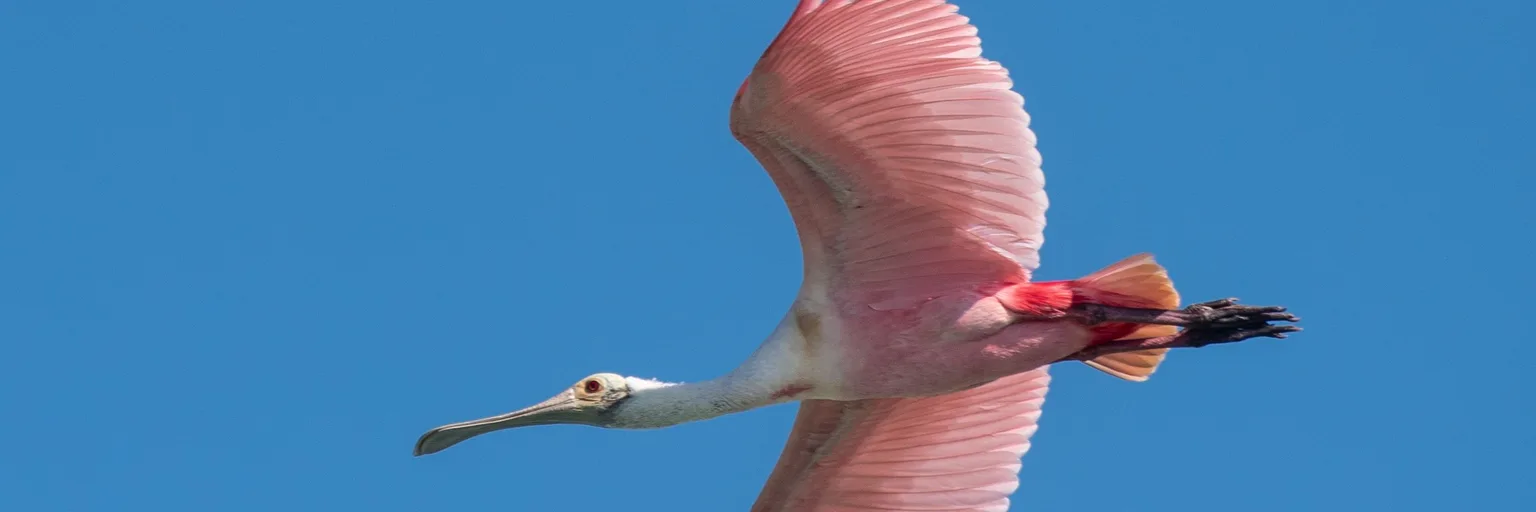
Photo: Gaiacoyote / Wikimedia Commons (CC0)
Is the true soul of Sian Ka'an found in the fleeting glimpse of a jaguar, or in the steadfast presence of the plants that create its world? While the reserve is rightfully celebrated for its impressive fauna, the silent, verdant tapestry of its flora—over a thousand species strong—tells an equally compelling story of adaptation, survival, and profound ecological significance. From the tangled roots of its coastal guardians to the towering trunks of its ancient forests, the plant life of Sian Ka'an is not merely a backdrop but an active participant in shaping this 'Origin of the Sky.'
Designated a UNESCO World Heritage Site, Sian Ka'an sprawls across more than half a million hectares, encompassing a rich mosaic of ecosystems. Within its vast expanse, tropical forests, wetlands, coastal dunes, savannas, and extensive mangrove systems converge, creating habitats for an estimated 1,300 vascular plant species. This astounding botanical diversity underscores why understanding the flora is central to appreciating the reserve's unique character and its critical role in the broader Yucatán Peninsula.
The Resilient Guardians: Mangroves and Their Lifesaving Embrace
Perhaps no group of plants embodies Sian Ka'an's resilience quite like its mangroves. The reserve hosts four vital species: the red mangrove (Rhizophora mangle), black mangrove (Avicennia germinans), white mangrove (Laguncularia racemosa), and grey mangrove (Conocarpus erectus). These remarkable woody plants are facultative or obligate halophytes, meaning they thrive in conditions up to 100 times saltier than most other plants, enduring the twice-daily ebb and flow of ocean tides.
In our view, their role extends far beyond mere survival. Mangroves are indispensable carbon reservoirs, playing a crucial part in global climate regulation. They stabilize coastlines, protecting against erosion and storm surges, and their intricate root systems provide vital nurseries and shelter for countless marine and terrestrial species, underpinning the health of the entire coastal and marine ecosystem within Sian Ka'an. Without these tenacious pioneers, the delicate balance of the reserve's hydrological system, which links lagoons, wetlands, and the sea, would be irrevocably compromised.
Coastal Sentinels: Sea Grapes and the Dune Ecosystem
Moving inland slightly from the water's edge, the coastal dunes present another fascinating display of plant adaptation. Among the most recognizable is the sea grape (Coccoloba uvifera), an evergreen shrub or small tree native to the Caribbean and Central American coasts. With its distinctive nearly round, red-veined leaves and spikes of whitish flowers that mature into edible reddish fruits, the sea grape is a familiar sight along Sian Ka'an's pristine beaches.
We see the sea grape as a frontline defender of the fragile dune ecosystem. Its stout branches and ability to thrive in sandy, full-sun conditions are crucial for preventing beach erosion and stabilizing coastal soils. Beyond its structural importance, it provides shelter and sustenance for various animals, including nesting sea turtles, further highlighting the interconnectedness of Sian Ka'an's diverse habitats. The presence of such robust coastal flora ensures the continued integrity of these vital land-sea interfaces.
The Verdant Heart: Palms and the Majesty of the Maya Forest
Deep within Sian Ka'an, away from the immediate coast, lies the lush Maya forest, a repository of biodiversity and ancient wisdom. Here, a variety of palm species contribute to the forest's structure and character. Among those documented are the nakax palm (Coccothrinax readii), the kuka palm (Pseudophoenix sargentii), and the chit palm (Thrinax radiata), the latter of which is recognized as an endemic species to the region. These palms, with their distinctive forms, are integral to the aesthetic and ecological fabric of the subcaducifolia and subperennifolia forests.
The broader forest ecosystem is also home to emblematic trees that hold significant ecological and historical value. The chicozapote (Manilkara zapota), chechén negro (Metopium brownei), and the striking chaca or gumbo-limbo (Bursera simaruba) are prominent examples. While specific traditional Maya uses for these plants within Sian Ka'an are not detailed in current documentation, their pervasive presence throughout Maya lands suggests a deep, historical relationship. These trees form the canopy and understory, providing habitat and resources that support a vast array of wildlife, creating the rich biodiversity for which Sian Ka'an is famed. They are living monuments, silently bearing witness to millennia of natural processes and human interaction.
In conclusion, the flora of Sian Ka'an is far more than just green scenery; it is the very foundation upon which this extraordinary biosphere reserve thrives. From the saline-defying mangroves that protect its shores and nurture its waters, to the resilient coastal plants that anchor its dunes, and the majestic trees that define its Maya forests, each species plays a vital, interconnected role. To truly experience Sian Ka'an is to observe these botanical wonders, recognizing their ecological narratives and the profound influence they exert on this 'Origin of the Sky.' Protecting these plant communities is paramount, ensuring the reserve's future as a sanctuary for both nature and the invaluable cultural heritage it embodies.
Keep reading
No topics yet: start the first one.
More stories
Sian Ka'an's Elusive Wonders: Where Wildlife Reveals Itself (and Where It Doesn't)
Discovering the incredible biodiversity of the Sian Ka'an Biosphere Reserve requires patience, a knowledgeable guide, and respect for nature's boundaries, particularly for its most iconic and shy inhabitants.